Menus
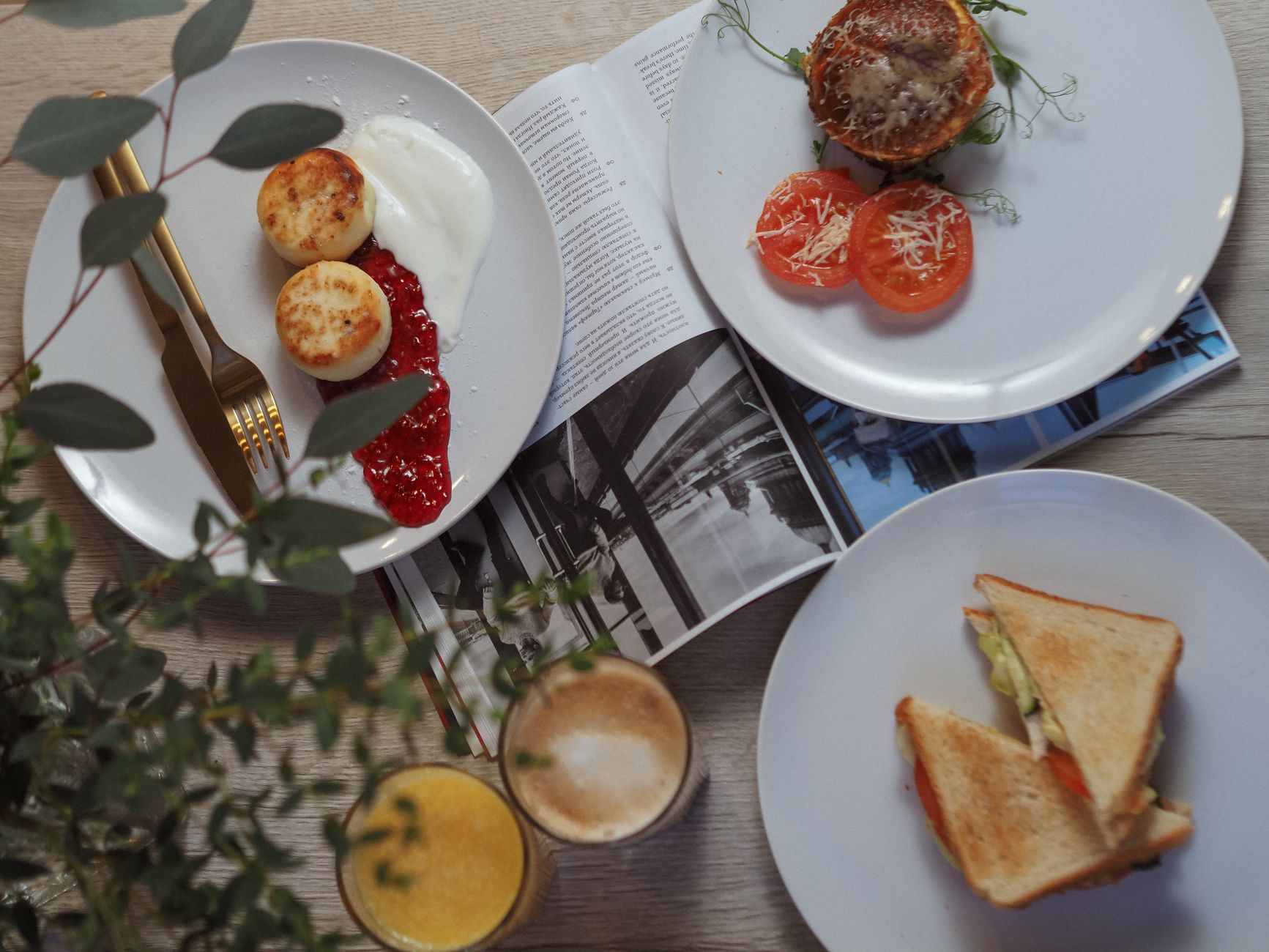
This week's set, the coffee-room counter, and the short list of things we pour. All of it is an example. Saturday's note is the current card.
Halifax · Lower Water Street
Tastetraveldine is a small kitchen and morning coffee room in Halifax. We cook one menu a night, built from what the boats and the valley send us that week — and from the places we keep going back to.
The kitchen · 2026
A room on Lower Water Street with eight stools at the pass and two tables at the window. We opened in 2026 and we have kept the count the same.
Twelve. That is the whole house.
One menu, two seatings.
Coffee, bread, a short counter.
The room sits a short walk from the harbour wall. In the morning the oven is already up, and the first loaves leave the deck before the coffee machine has finished its rinse. We bake what the day will take — usually fourteen to eighteen loaves — and when they are gone the basket stays empty. There is no second bake hiding in the back.
At night the same counter becomes the pass. Eight chairs face the fire and the boards. Two tables by the glass hold four more. We do not turn those tables; a seating is a seating. The menu is short because the list of what arrived that week is short, and because a twelve-seat room cannot honestly carry a long card.
The name is three words put together: taste, travel, dine. The kitchen cooks from the Nova Scotia coast and the farms of the Annapolis Valley, and from dishes we have learned in other rooms and brought home. Nothing here is a copy of a city we visited. It is a flavour we understood well enough to cook with local fish, local cream, and the oven we light every service.
A short menu is not a smaller kitchen. It is a kitchen that finished writing the list.
We post the next week on Saturday. If a boat does not come, or a field is late, the card changes again on Wednesday morning. Guests who write to us get the same note we send to the Saturday list.
How a night runs
Two seatings, a quiet reset between them, and a Sunday table that is served family-style.
First dinner seating, Wednesday to Saturday. The room fills once. Courses come from the pass in the order they are ready, not from a printed timetable.
Second seating. The same menu, the same twelve places. We ask that the first seating leave the room clear so the second can sit without a rush at the door.
Coffee room, Wednesday to Sunday. Bread, a bowl, a sandwich if the dough allows, and coffee poured at the counter. We close the morning service at 11:30.
Sunday long table. One shared lunch, served down the middle. Write early; the table is the whole room.
The room at night
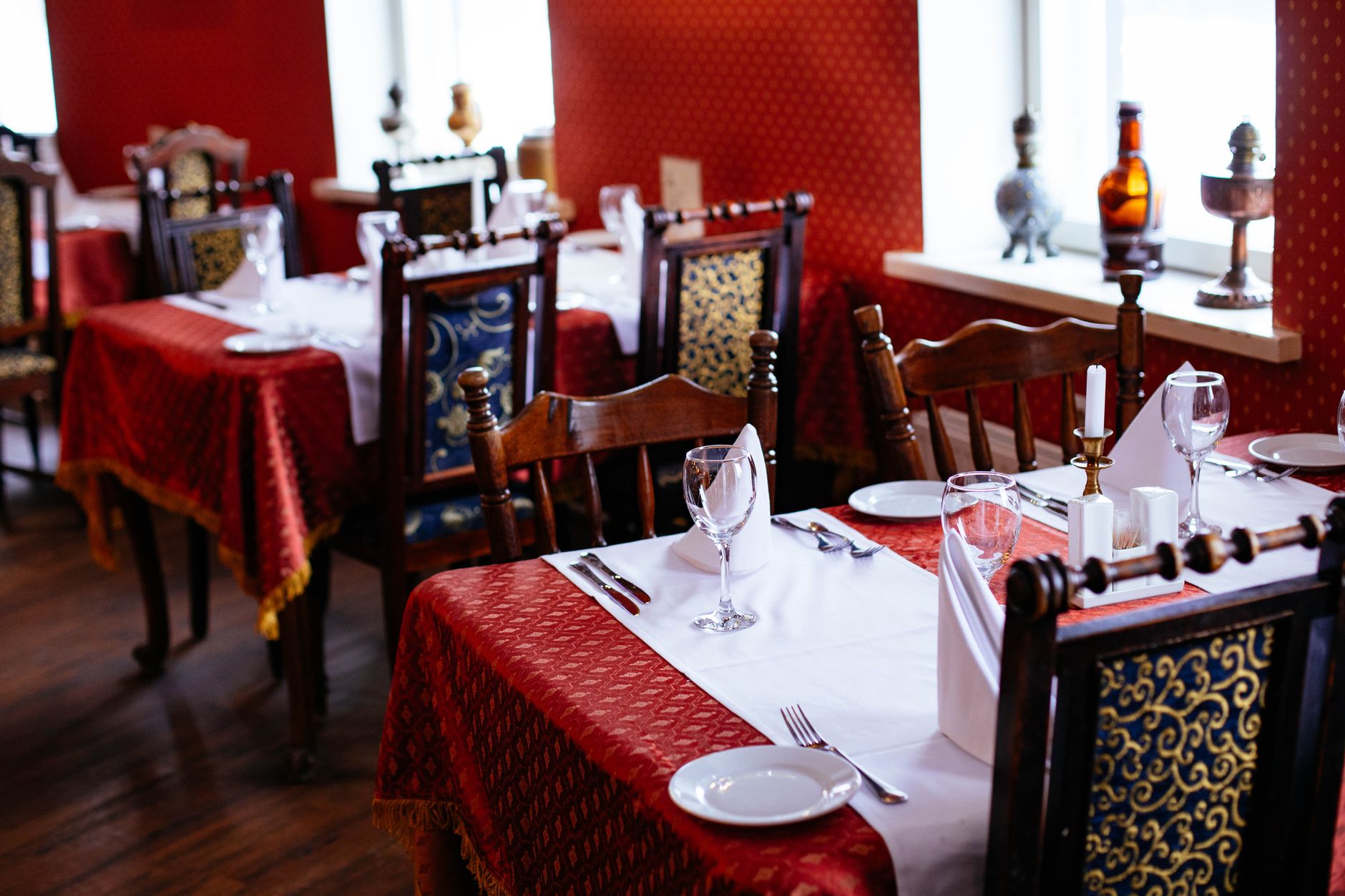
We write four or five courses and stop. A longer list would ask the same two pairs of hands to hold too many pans at once, and the fish would wait. Guests sometimes ask for a wider choice. The honest answer is that choice lives in the week, not on a page that pretends every ingredient is always here.
The oven runs at about 230 °C for the first bake. The crust should sound hollow when we tap it. If the dough has had a cool night, we give it another twenty minutes on the bench before it goes in. Those details do not belong in a slogan. They belong in the work, and they are why the morning smells the way it does when the door opens on Lower Water Street.
Dinner uses the same fire later in the day. A sauce that began as bones in the morning may finish under a piece of hake at 18:00. That is the point of a small kitchen: nothing is cooked in a separate building and driven across town. If you sit at the pass you can see the last of it happen.
Three doors
This week's set, the coffee-room counter, and the short list of things we pour. All of it is an example. Saturday's note is the current card.
How we buy, what the season is doing, and why a scallop boat out of Digby matters more to us than a printed catalogue.
The stools, the window tables, the Sunday long table, and what it means to take the whole house for a night.
Before noon
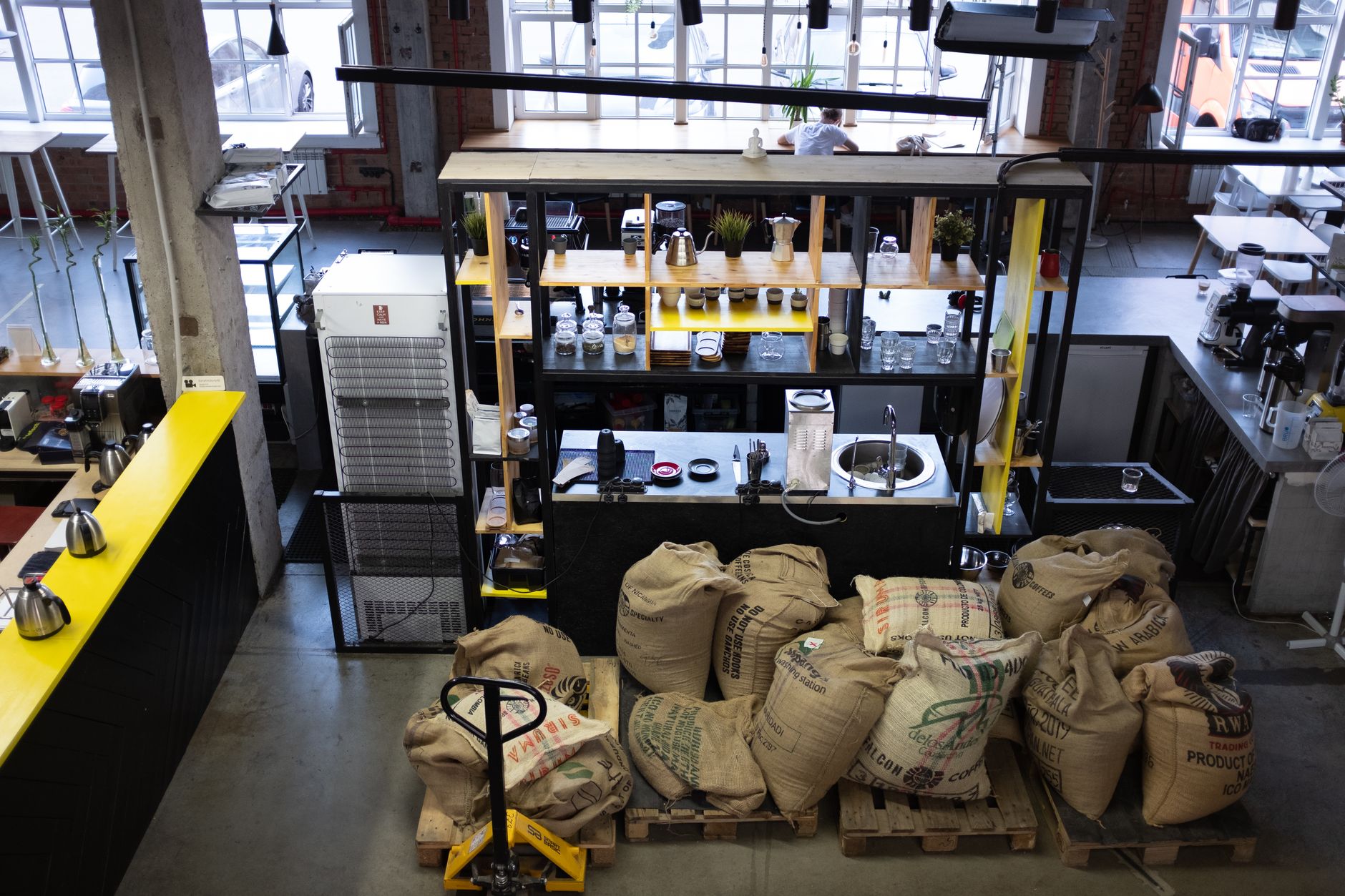
From Wednesday to Sunday we open at eight. The room is quieter then. People stand at the window with a cup or take a stool if one is free. We do not take bookings for the morning, except when a guest writes because they need a seat for a reason we can plan around — a walker, a child, a short visit between ferries.
What we serve depends on the bake. There is always coffee and a yeast bun if the dough cooperated. Some mornings there is a bowl of oats with the dairy that arrived from the valley. Some mornings there is a toasted sandwich and nothing else. When the basket is empty we say so. It is better than stretching the last three buns with a story.
Visit
1496 Lower Water Street, Halifax, NS B3J 1R9, Canada. Closed Monday and Tuesday.
The evening room is small enough that a walk-in at 18:00 is a kindness we can rarely return. Send a note with the day, the seating, and how many of you there are. We answer from [email protected], and we keep the same number on the rail: +1 902 429 3186. If you are asking for the Sunday table or for the whole room, say that in the first line so we do not file it as a pair of stools.
Journal notes from 2026 live on a separate page — oven weather, a boat, a dish we carried home. They are written by the kitchen, not by a guest book.