How we buy
We do not name firms on this site. The work is easier to trust when it is described by place and craft.
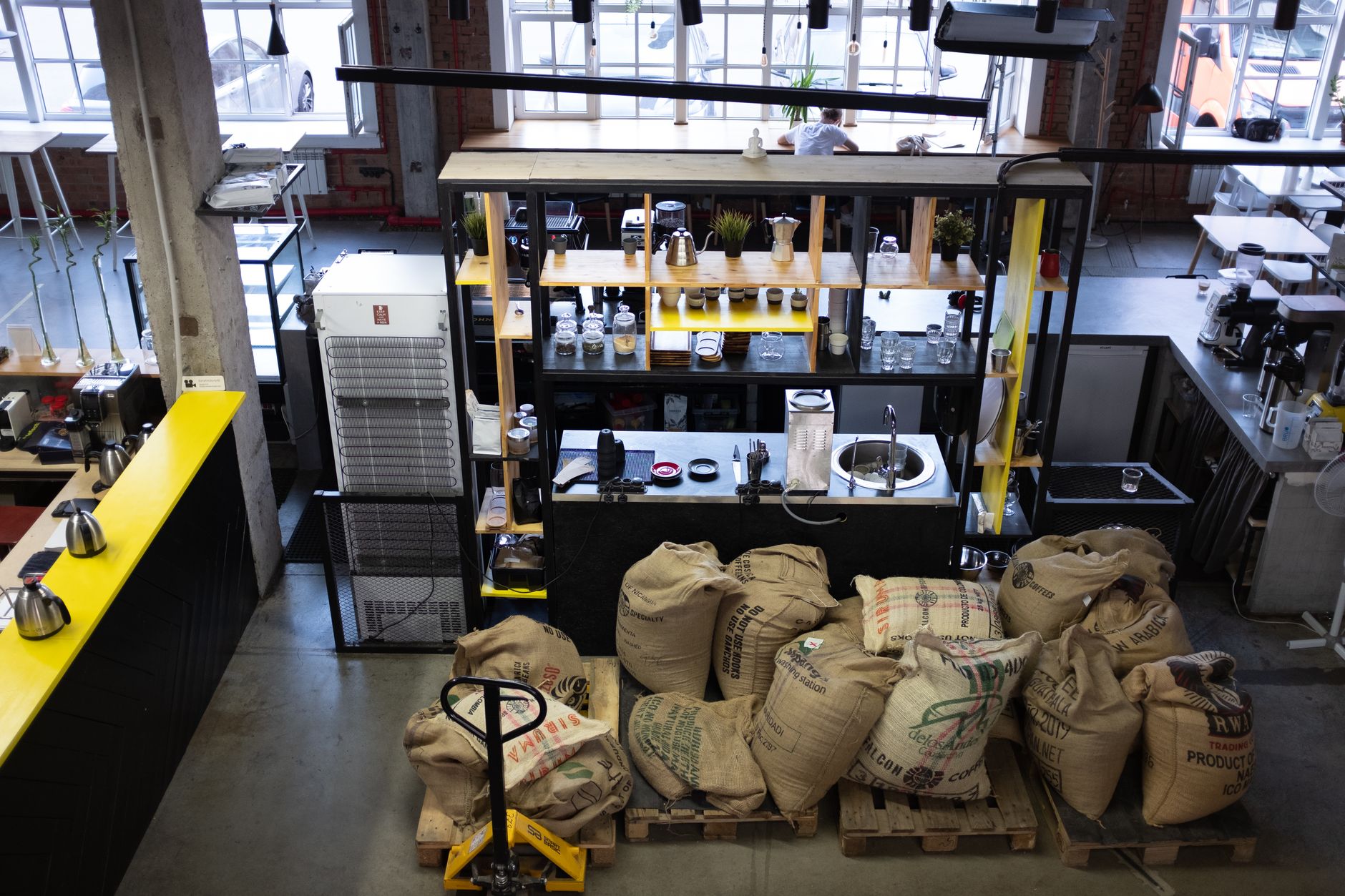
The first question in the morning is not what we feel like cooking. It is what landed. Fish comes off boats along this coast; we ask which harbour, which day, and whether the piece will still be sweet at 18:00. Dairy comes from the valley when the roads are clear. Vegetables follow the same logic: a field we have stood in, or a crate from a neighbour of that field, is worth more to the plate than a longer list from farther away.
Travel sits beside that, not above it. The kitchen goes away when the room is closed, and we come back with a method — a cure, a spice path, a way of finishing pasta — that we then cook with Nova Scotia things. The name Tastetraveldine is that loop: flavour, the road, the table on Lower Water Street.
The coast
Water first
Halifax makes it easy to pretend the harbour is decoration. For us it is a clock. When a scallop boat out of Digby has had a clean day, we write a first course around that sweetness and stop adding. When the haddock is small and bright we keep the sauce thinner. When nothing we would eat ourselves has come in, we cook vegetables and broth and we say so on the note.
What we will not stretch
We do not hold fish across a week to protect a printed dish. Frozen product has a place in a house that must open in a storm, and we will use it for a stock before we will use it for a centre plate. Guests who want the same scallop they read about in April will not find it in November. They will find whatever the water was doing in November.
Sea herbs, when we can pick them without stripping a patch, go on the first plate. When we cannot, the plate is butter and lemon and the fish. That is still a course.
The valley
Annapolis Valley cream, apples, roots, and the quiet luxury of a dairy that still sends milk that tastes of a week and not of a warehouse.
Fields we can drive to
A dairy in the Annapolis Valley has been in our week since we opened in 2026. We culture some of the cream overnight and leave the rest sweet for the morning oats. Apples arrive in bags that still smell like the bin. Carrots in late September are the reason the second course sometimes looks like a simple roast: they are sweet enough that a clever puree would be a waste of heat.
We buy flour from mills that will tell us the wheat. The morning bun is not a signature; it is a loaf that behaves in our oven. If a bag shifts, the crumb shifts, and we do not hide that behind a softer marketing word than “different this week.”
The year
A seasonal ledger
This is a working calendar, not a promise. Storms and late frosts move the lines. The Saturday note always beats this page.
- January–March
- Roots, stored apples, cabbage, broths, and whatever the boats still land in the cold. The oven does more work than the grill. Travel notes from the closed days often become a cure or a pickle in these months.
- April–June
- First greens, early dairy richness, and scallops when the water allows. The coffee room starts to see more fruit on the oats. Dinner sauces get lighter without becoming thin for the sake of fashion.
- July–August
- Tomatoes if they are actually ripe, herbs in fistfuls, and fish that needs almost nothing. We keep the set short because the room is warm and nobody wants a parade.
- September–October
- Apples, late brassicas, mushrooms when the woods are kind, and a return to deeper pans. This is the week printed as an example on the menus page.
- November–December
- Citrus from farther away — one of the few times we buy distance on purpose — plus stores from the valley and richer stocks. The Sunday table leans toward one pot in the middle.
The road

Dishes we carry home
Two or three times a year the kitchen closes and we go somewhere we can stand in someone else's pass without pretending we own it. We come back with a notebook, not a franchise. A pasta finish we saw in a small room abroad might meet valley cheese and a local cut. A breakfast we ate on a harbour in another province might become our toasted sandwich for a month.
We do not print the names of those rooms. The respect is in the work: did we understand the heat, the salt, the pause before the plate left the board? If not, the dish stays in the notebook. If yes, it appears on a Saturday note with a plain sentence about where the idea sat, and then we cook it with what Halifax can give.
Place first, then memory. If the crate is weak, the memory waits.
If you want to know what is actually in the house this week, the Saturday note is the honest page. This larder text is the habit behind it.